How to Build a Niagara Falls Itinerary That Fits Your Day
Know Your Starting Point and Time Budget
Before you plan anything, decide how many hours you actually have. A morning flight or an early train arrival gives you a different day than a noon start. The size of the Niagara Falls experience means you cannot see everything in one visit, so your first task is to pick a realistic window.
If you have only four or five hours, focus on the core waterfall views and one close-up attraction. With a full eight to ten hours, you can add a second attraction and a walk along the gorge. Be honest about your group’s pace: families with young children move slower, and a solo traveler covers more ground. Write down your arrival and departure times before you choose anything else.
Decide on Your Water-Level Experience
The single most important decision is how you want to experience the falls up close. Two classic options exist, and they are not the same. Maid of the Mist takes you on a boat into the basin of Horseshoe Falls, where you feel the mist and hear the roar from the water surface. Journey Behind the Falls lets you walk through tunnels to a viewing deck behind the curtain of water. Both are excellent, but they give different perspectives.
If you are prone to motion sickness or dislike crowds on a boat, Journey Behind the Falls might feel more comfortable. If you want that iconic photo looking up at the falls, Maid of the Mist delivers it. Whichever you choose, book your time slot early in the day. Mid-morning slots tend to have shorter lines, and the mist light is good for photos. Do not try to do both on the same day unless you have at least ten hours and accept that you will spend a good part of your time waiting in line.
Build Your Route Along the Niagara Parkway
The Niagara Parkway is the scenic road that runs along the gorge from the falls north toward Niagara-on-the-Lake. It is also the pedestrian route that connects the main viewpoints. Plan your walk or drive so you do not backtrack unnecessarily. Start at Table Rock Welcome Centre, which sits right next to the brink of Horseshoe Falls. From there, you can access Journey Behind the Falls and the upper observation decks. Then walk south along the railing to the American Falls and Bridal Veil Falls viewpoints. This stretch is short and offers the classic panorama.
After you have absorbed the main views, head to the White Water Walk. It is a short drive or a longer walk north along the parkway. The boardwalk runs beside the class-six rapids, and the power of the water is a completely different experience from the falls themselves. Allow about an hour for the walk. If you are short on time, skip this and keep your focus on the falls. But if you have the extra hour, it adds a memorable contrast.
For a midday break, the area around Table Rock has quick food options. Do not waste time sitting at a full-service restaurant unless that is part of your plan. A quick bite lets you stay on schedule.
Plan Your Evening Viewing and Dinner
As late afternoon arrives, the light changes. The falls take on a different character, and the crowds thin out. This is a good moment to revisit the main viewing area for photos with softer light. If you have the energy, walk down to the base of the gorge near the Maid of the Mist landing. The perspective from below is worth the stairs.
For dinner, you have two broad options. Stay near the falls at a restaurant with a view, or head to Clifton Hill for a livelier, more casual atmosphere. Clifton Hill is the entertainment strip with arcades, shops, and chain restaurants. It is not quiet, but it is convenient. If you prefer a quieter meal, look for a spot on the parkway or in the nearby neighborhoods. Avoid restaurants that are clearly tourist traps with no local customers.
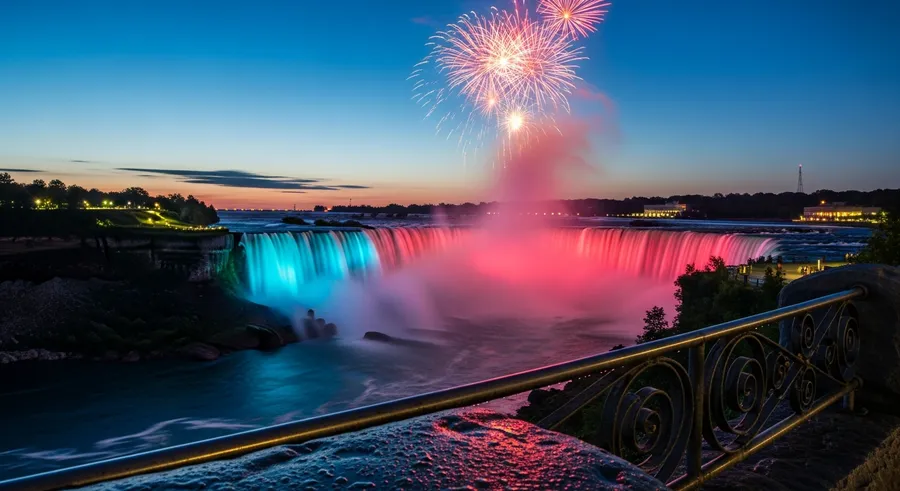
After dinner, consider the illumination of the falls. The lights come on after dark, and the colors change every few minutes. You can see them from the same viewpoints you used during the day. The effect is different enough to feel like a separate attraction. If you are tired, skip it and save it for next time.
If you want a high view of the illuminated falls, the Skylon Tower observation deck offers a panoramic perspective. It is a paid attraction, and the elevator line can be long. Decide if the view from above is worth the wait for your group. Many people prefer the free viewpoints at ground level.

Pack for the Conditions
The mist from the falls means you will get wet. Even on a sunny day, the spray carries. Bring a light rain jacket or a poncho. The provided ponchos on Maid of the Mist are thin and disposable. If you have your own, it will be more comfortable. Also, wear shoes with good grip. The walkways near the falls are often wet and can be slippery. Sandals are not a good choice. A dry bag for your phone and camera is useful if you plan to spend time near the spray.
Check the weather forecast before you go. Thunderstorms can roll in quickly, and lightning closes the outdoor viewing areas. If storms are predicted, adjust your schedule to do indoor attractions first. The Table Rock Welcome Centre has indoor viewing areas that stay open during rain.
Put It All Together Into a Sample Flow
A common mistake is to over-plan every minute. Leave gaps. The best moments often come from standing still and watching the water, not from rushing to the next attraction. Here is a skeleton that works for most visitors with a full day:
- Morning: Arrive, park, visit Table Rock viewpoint, then do your chosen water-level experience (Maid of the Mist or Journey Behind the Falls).
- Late morning: Walk the rim to American Falls and Bridal Veil Falls. Take photos. Visit the White Water Walk if time allows.
- Lunch: Quick meal near Table Rock or at a spot on the way to your next stop.
- Afternoon: Explore the Niagara Parkway viewpoints. Drive or walk north to see the gorge from different angles.
- Late afternoon: Rest or revisit a favorite viewpoint. Head to dinner.
- Evening: Watch the falls illumination. If you have energy, add the Skylon Tower or a walk on Clifton Hill.
This flow keeps you moving forward without backtracking. It also leaves room for unexpected delays, like a longer line at an attraction or a sudden rain shower. A good itinerary is flexible, not rigid.
For a well-organized day, many travelers use a resource like Niagara Falls Day Trip to check opening hours, ticket options, and seasonal changes before they go. That kind of advance research spares you the frustration of arriving at a closed attraction or missing the last boat of the day.
Know When to Stop
The hardest part of planning a Niagara Falls itinerary is accepting that you will miss something. The falls area has multiple attractions, each worth a visit. Trying to fit them all into one day leads to exhaustion and a blur of memories. Pick two or three things that matter most to your group and do them well. Leave the rest for another trip. The falls will still be there.
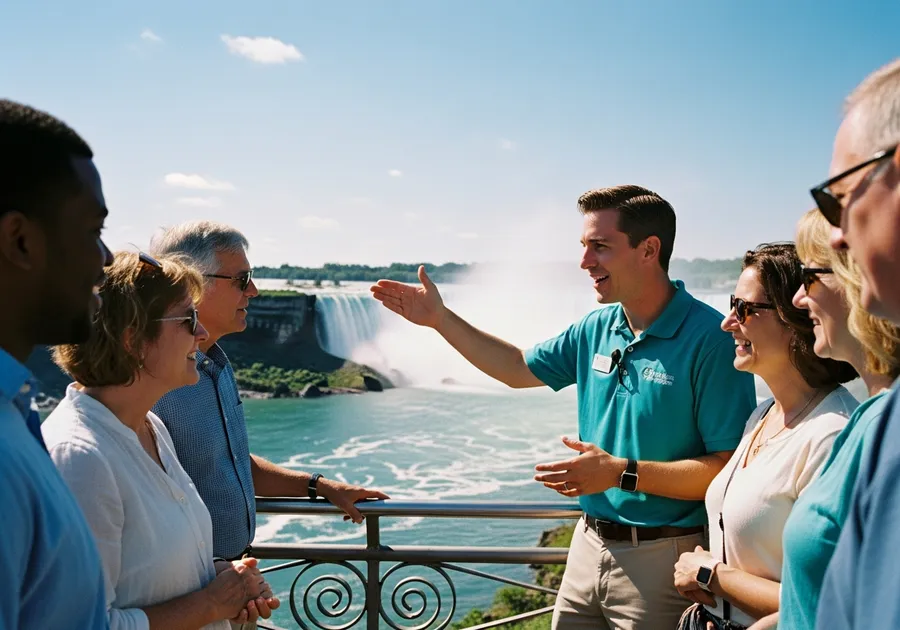
One good strategy is to plan your must-see list and then add one optional item. If you finish early, you can do that optional item. If you run late, you skip it without guilt. This approach keeps the day enjoyable rather than stressful.
Whether you choose the boat ride, the tunnels, or just a long walk along the railings, the key is to match the pace to your group. A well-paced day at Niagara Falls leaves you tired but satisfied, not rushed and frustrated. That balance is what makes a great itinerary.
Ends · GETNIAGARAFALLSITINERARYSHOP